

Wedding Videography, Content Creation & Choosing the Right Media Team with Candace Statham of Vida Films
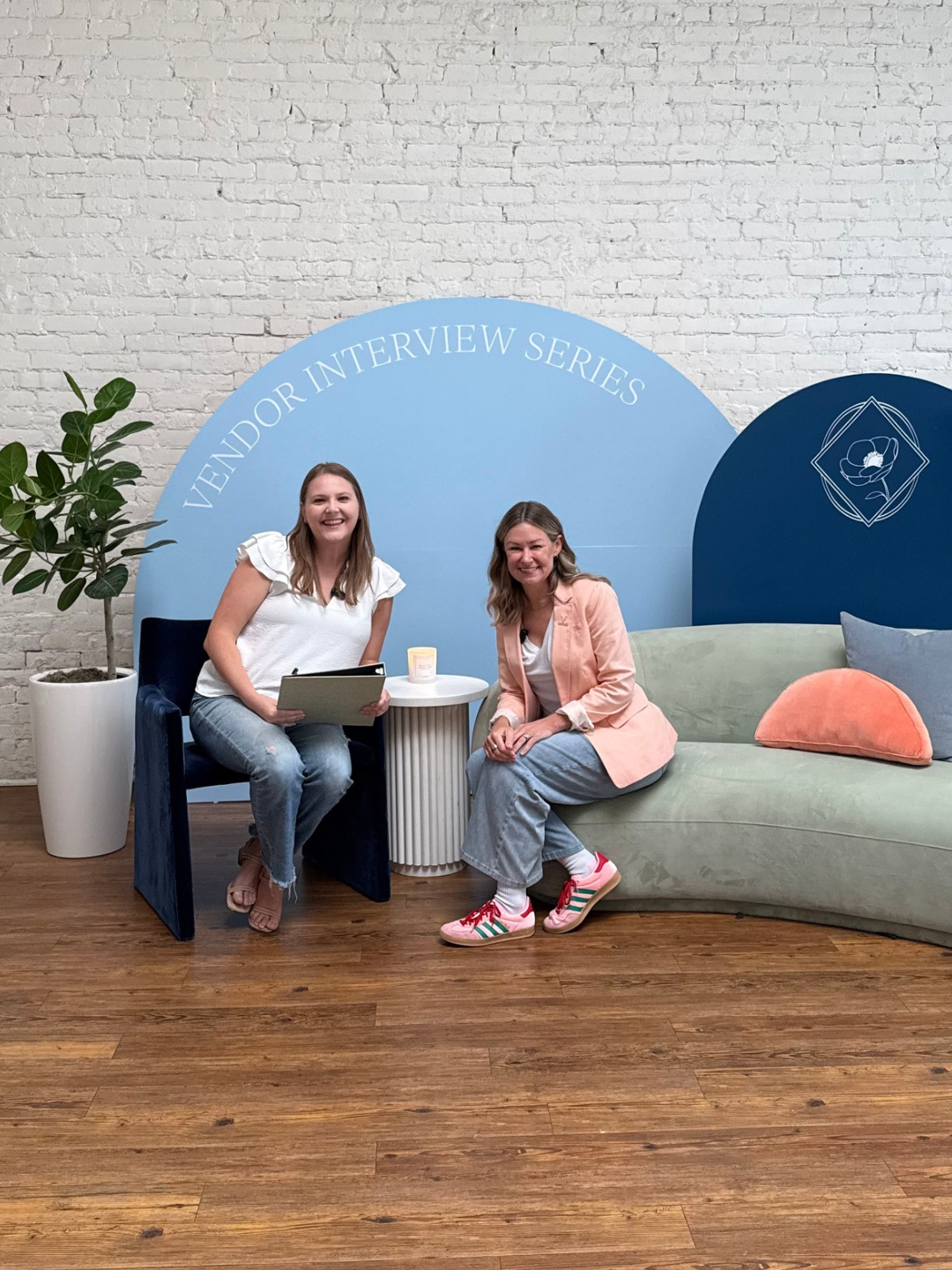
Wedding Videography, Content Creation & Choosing the Right Media Team with Candace Statham of Vida Films
Candace Statham, owner of Austin-based Vida Films, breaks down the difference between wedding videography and content creation, what couples should look for in their media team, and why trusting the people you hire matters just as much as the finished film.
Wedding content creation has given couples more ways than ever to capture their celebration—but more cameras don’t necessarily mean more of the same thing.
For Candace Statham, owner of Austin-based and destination-ready wedding videography company Vida Films, the distinction is pretty simple: content creation is for right now; videography is for later.
We sat down with Candace to talk about what that difference actually means, how couples can choose a videographer they genuinely connect with, what all those wedding-film package names really mean, and why one of the best things you can do on the wedding day is trust the team you’ve already built. Watch the full interview below to hear Candace share these insights in her own words or keep reading for the key takeaways.
Choosing a Wedding Videographer You Actually Connect With
What should couples consider before hiring a wedding videographer?
Start by watching their films.
Go through different videographers’ work and pay attention to what you’re naturally drawn to. Do you want something more classical? Something fun? Something shorter that feels easy to share? Or do you want a longer, more immersive film that really brings you back into the day?
Ultimately, your wedding film is for the future. It’s not only something you’re thinking about two weeks after the wedding. It’s something you may watch months, years, or decades later.
Once you find work you love, meet the people behind it. Your photo and video teams are with you for a huge portion of your wedding day, so you want to know that you actually enjoy being around them.
“You have to vibe with your media team.”
Why does personality fit matter so much?
Your photographer and videographer are in your circle all day. They’re there for the getting-ready moments, the emotions, the portraits, the ceremony and everything happening in between.
If you’re uncomfortable around someone, that can show up in your posture, your expressions and the way you experience the day.
So yes, look at the portfolio—but also ask yourself, Do I want this person beside me for hours on one of the biggest days of my life?
When you feel comfortable with your team, you’re much more able to relax, be yourself and let them capture what’s actually happening.
Know What Your Wedding Video Package Actually Includes
What’s the difference between a highlight film, cinematic film, feature film or teaser?
The most important thing to know is that videographers don’t all define those terms the same way.
One company might call something a highlight film. Someone else might call a similar deliverable a feature film. You might also see teaser films, cinematic films, documentary edits and all kinds of other names.
So rather than getting caught up in the label, ask your videographer to define exactly what you’re receiving.
At Vida Films, for example, much of what you see posted on Instagram would be considered social-media teasers, while our longer-form wedding films may be called highlight or feature films.
The terminology matters less than understanding the finished product.
What should couples ask about before booking?
Look closely at your deliverables.
How long is the finished film? What parts of the wedding day will it include? Is it designed primarily for your phone and social media, or is it a widescreen film meant to be watched on a television or computer?
Also think about the experience you want when you watch it. Is the film high-energy? Sweet and sentimental? Does it incorporate ceremony audio, vows or speeches? Is it meant to give you a quick recap or pull you back into the story of the day?
Get those questions answered by your video team ahead of time and you’ll have a much clearer idea of what you’re actually investing in.
Wedding Videography and Content Creation Aren’t the Same Thing
What’s the biggest difference between videography and wedding content creation?
For me, the simplest way to explain it is this:
“Content creation is for right now. Videography is for later.”
There’s overlap because we’re all capturing moments from the wedding, but the purpose can be very different.
Content creation gives you a lot of material very quickly. It’s typically designed to live on your phone, be sent to friends, posted to social media or turned into reels shortly after the wedding.
Videography is more focused on the longer-term story. We’re capturing audio, shaping the footage and creating something that is meant to continue being watched well into the future.
It’s the difference between something you may be excited to post two weeks after your wedding and something you might still pull out two years, 20 years—or 200 years—after the wedding.
Will somebody really be watching it in 200 years? I don’t know. But that’s kind of the point. You’re preserving something for people who may not even be here yet.
Do couples need to choose between videography and content creation?
Not at all.
They serve different purposes, and you can absolutely have both. We offer content creation through Vida Films as well.
The important thing is understanding what each service is doing for you rather than assuming one automatically replaces the other.
Content creation can give you fast, casual, phone-friendly pieces from the wedding. Your wedding film gives you a crafted story designed to live much longer.
They’re different experiences.
Do You Actually Need Wedding Content Creation?
Who is content creation especially helpful for?
If you’re someone who posts a lot, sends videos to your friends, makes reels or genuinely loves having everything accessible on your phone, content creation can be fantastic.
You’ll get a lot of material from the day, and you’ll have content available quickly.
But I also think couples should ask themselves what they’re actually going to do with it.
When might a couple decide they don’t need it?
If you’re booking content creation simply because everyone else seems to be doing it, think about whether you’ll really use what you receive.
You may end up with hundreds of video clips on your phone. If that sounds exciting to you, great. If it already sounds overwhelming, that’s worth knowing before you add another service—and another person—to your wedding-day team.
Every additional person is another person moving through the ceremony, reception and portraits, so there should be a reason they’re there.
It’s not that content creation isn’t valuable. It absolutely can be. Just make sure it’s valuable to you.
Why Wedding Video Can Become More Valuable With Time
Why do you think of wedding videography as something for the future?
Because the value changes as time passes.
Right after your wedding, you were just there. You remember what everything looked like. You remember the voices and the people and how the room felt.
Years later, that changes.
If you decide to have children, they may eventually want to see the wedding. There may be people in the film they never got the chance to know. Suddenly the footage becomes more than a recap of an event—it becomes part of your family’s history.
That’s what I mean when I say videography is for later.
Has your own wedding changed the way you think about that?
Definitely.
I got married in 2006, and I didn’t hire a wedding videographer. It was a different time, and I just didn’t know what I didn’t know.
Now I have four kids who watch me edit other people’s wedding films, and they ask me, ‘Mom, where’s your wedding video?’
And I don’t really have one.
There’s a little bit of VHS footage from a family member, and then the camera died.
So now I experience the value of wedding videography from both sides. I make these films for other families, and I also understand what it’s like to wish I had one of my own.
Build the Right Team—Then Let Them Do Their Jobs
What’s something you wish more couples remembered going into their wedding day?
Remember what the wedding is actually about.
It’s about the two of you.
It’s not about what your mom wanted, what your cousin did at their wedding or what somebody else thinks you’re supposed to do. When the wedding is over, the two of you are the ones walking away together.
So do what you want. Have fun. Enjoy it.
And here’s the other thing I tell people all the time: something is going to go wrong.
That’s okay.
At my wedding, I had a terribly ugly wedding cake. It was horrendous—but it tasted great. My group jumped in the pool. Those are the things we still joke about.
We don’t sit around talking about how perfectly everything went.
Eventually, the imperfect things become stories.
“Something’s going to go wrong. And that is what you’re going to talk about.”
How can couples actually relax enough to enjoy the day?
Trust your people.
Your vendors love what they do, and they want the wedding to be as great as you want it to be. That’s one of the reasons it matters so much to build a team you genuinely connect with before the wedding.
By the morning of the wedding, you shouldn’t be trying to manage every little thing yourself.
You’ve planned. You’ve made your decisions. You’ve hired people you trust.
Now let them take care of what’s happening in the background.
There may be things happening that you never even hear about—and that’s exactly how it should be. Your job is to be there, enjoy the people around you and get married.
We’ll save the behind-the-scenes stories for happy hour.
The Takeaway
The right wedding-media team isn’t simply the team with the prettiest Instagram feed. It’s a group of people whose work fits the way you want to remember your wedding—and whose presence helps you feel comfortable enough to actually experience it.
Whether you choose videography, content creation or both, Candace’s advice is refreshingly simple: know what you’re receiving, know why you want it, and choose people you trust.
Then, when the wedding day arrives, let them do what you hired them to do.
About Candace Statham & Vida Films
Candace Statham is the owner of Vida Films, an Austin-based wedding videography company available for destination weddings. Vida Films is an all-female team creating wedding films designed to preserve the story, sound and feeling of a celebration long after the day itself.
Website: vidafilmproductions.com • Instagram: @vida__films
Ready to assemble a vendor team you trust?
The goal isn’t to spend your wedding day managing the people and plans around you. It’s to be there for it. Plan On It can help you build the team, structure and support that lets you enjoy the celebration you’ve been planning. If you are looking for the right planner or coordinator to bring your wedding team together, reach out today by filling our our contact form.

see the latest
Plan On It Events & Design specializes in wedding weekend experiences that are guest-centric and tons of fun.
navigate
connect
© 2025 Plan On It Events & Design, LLC

